
Whoa! The idea of a fully web-accessible Phantom experience feels like one of those small shifts that ends up reshaping the whole neighborhood. My first read on it made me curious and a little skeptical. Web wallets promise convenience, though actually achieving security and smooth UX at scale is harder than it looks. Initially it seemed like a simple port, but then I noticed the deeper trade-offs that matter to builders and users alike.
Okay, so check this out—web access lowers the barrier to entry dramatically. For many people, installing a browser extension or a native app is a friction point they never clear. A web-native flow lets a user click, connect, and interact without detouring through app stores or extension stores, which is big. At the same time, the browser environment is noisy and varied, so the engineering needed to keep keys safe and UX consistent becomes more sophisticated than just “make a page”.
Quick note: I’m biased toward simple UX. I like things that “just work” on first try. That preference colors how I read new wallet features. Still, user-first design is only one side of the coin; the other side is cryptographic hygiene and threat modeling. On one hand, web wallets democratize access. On the other hand, they expand the attack surface unless mitigations are deliberate and baked in.
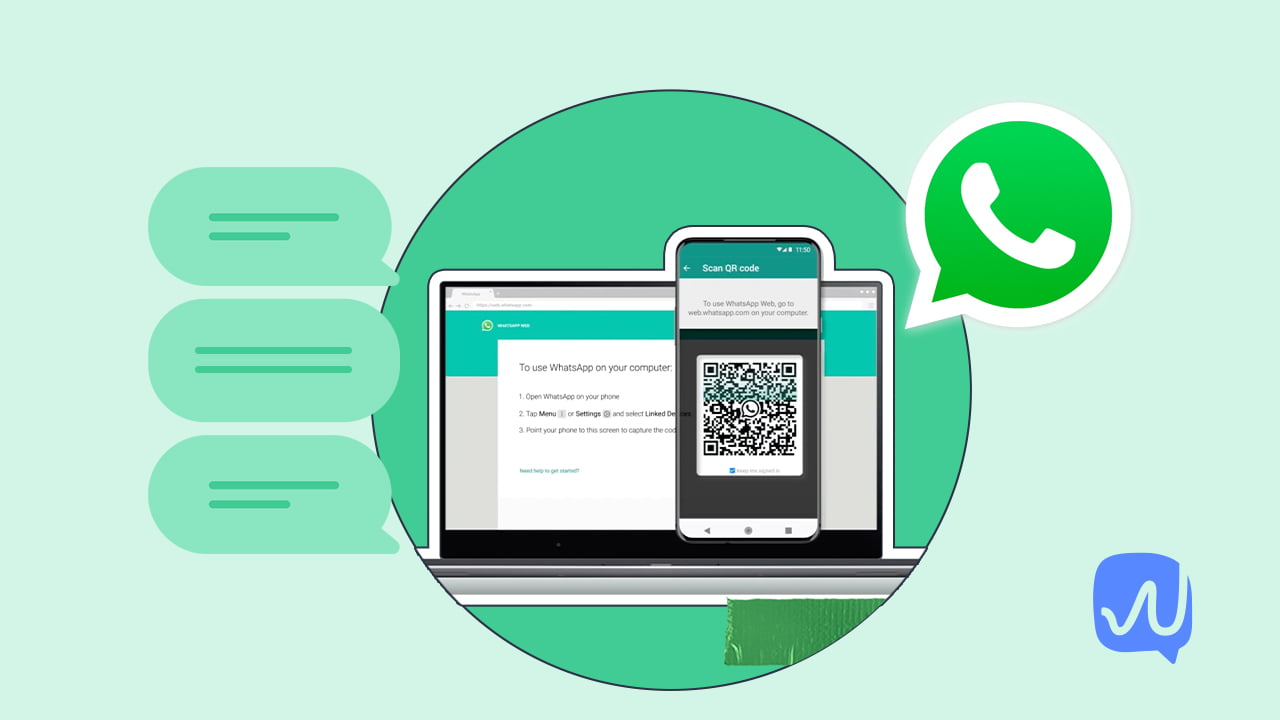
How a web Phantom wallet shifts the user journey
Really? Yes—this is actually where the rubber meets the road. Commonly, onboarding is the single largest drop-off point for dapps. A familiar web flow reduces cognitive load: click connect, approve, transact. But browser-based keys demand new mental models from users, and that education is expensive. Developers and product teams have to articulate the guarantees and limits of a web session so users understand what they’re doing.
On one hand, saving a user a download is a win. On the other hand, session persistence, cross-tab isolation, and recovery UX introduce complexity. Most wallets rely on local storage or IndexedDB for state; both are convenient, but they need layered protections. Browser-native cryptography has matured, yet integration details vary across Chromium forks and Safari, which complicates testing. So yes, the technical debt is non-trivial.
Something felt off about early implementations from various teams, and the community called them out fast. That feedback loop is healthy. Iteration in public is messy, though the end result tends to be better for everyone. (oh, and by the way…) developers need to plan for gradual rollouts and clear rollback plans when a change touches key handling.
Security: what web wallets must prove
Whoa! Security is the headline, obviously. If keys are accessible in the browser, folks will ask: “How safe is this versus hardware, versus extension?” Those are fair questions. Cryptographic primitives remain the same, but storage and UI layers differ, and those differences matter more than you’d expect.
Let’s be practical. A web wallet should use secure enclaves when available, degrade gracefully where they are not, and have explicit user consent surfaces for every sensitive action. This means clear signing dialogs, contextual transaction warnings, and defense-in-depth for key storage. Initially I thought UI alone could mitigate phishing, but actually UI alone can’t stop a determined supply-chain or browser exploit.
On the engineering side, content security policy (CSP), strict cookie isolation, and subresource integrity (SRI) are tools that help lock down the surface area—though they don’t eliminate the need for runtime monitoring and anomaly detection. A layered approach, where the wallet limits transaction scopes and offers one-click operation rollback or “safe mode”, can reduce catastrophic loss. Still, convincing users to adopt best practices remains a human problem too.
Developer experience: integrating dApps with a web wallet
Hmm… integration should feel native. A developer wants predictable APIs, good docs, and stable events. If the wallet provides a reliable RPC provider shim and clear connect/disconnect semantics, integration is straightforward. But subtle differences in provider behavior can cause bugs that are hard to diagnose. So standardization matters.
Phantom’s web approach should surface a developer-friendly SDK with good type definitions, explanatory guides, and robust error codes. Those things reduce friction quickly. At the same time, varied browser behaviors (think mobile browsers vs desktop) mean SDKs must handle edge cases gracefully, without forcing developers to become wallet experts. The goal is: ship dapp features, not wallet plumbing.
I’ll be honest—fragmentation in the ecosystem is the part that bugs me. Too many ad-hoc provider hacks proliferate. Standard RPC and wallet-provider patterns would help everyone. If the web Phantom implements these patterns cleanly, it could be a stabilizing force for Solana dapps.
User privacy and UX nuances
Really? Privacy matters more than marketers want to admit. A web wallet can inadvertently leak metadata: which dapps a user visits, transaction frequency, even inferred holdings if not careful. So privacy-preserving defaults should be baked in. For example, minimizing third-party dependencies and avoiding analytics that correlate user addresses can help.
Medium-length thought: anonymous telemetry, opt-in diagnostics, and local-first UX designs reduce exposure while still enabling product teams to iterate. Longer thought: when a wallet opts into sharing telemetry for security, it should do so using privacy-preserving aggregation protocols, or provide verifiable opt-in prompts that explain the exact scope and retention policy in plain language—no legalese. That builds trust.
Something to watch is mobile web browser behavior, where background tabs are often suspended and storage policies differ. The wallet must handle interrupted sessions elegantly, restore safely, and avoid surprising the user with stale transaction states. Those little UX mismatches are where trust erodes fast.
Recovery and backup—yes, the boring stuff that breaks everything
Whoa! Recovery is often deprioritized until it’s too late. Users lose seed phrases, change devices, forget passwords. The web wallet must offer secure recovery flows that balance security with accessibility. Multi-factor recovery, social recovery primitives, and encrypted cloud backups are all options, each with trade-offs.
One medium insight: social recovery reduces single points of failure but introduces social engineering vectors. A long thought: offering multiple recovery paths with clear risk profiles, letting users choose the model they trust, and making the consequences explicit in the UI will reduce regret-driven decisions. That transparency is crucial for mainstream adoption.
I’m not 100% sure which combination will win universally. Different user segments will prefer different trade-offs—power users will pick hardware-first setups, newcomers will accept more guided, UI-friendly recovery options. Product teams should design for both without duplicating effort.
Where a web Phantom wallet fits in the Solana ecosystem
Okay, so here we are: a web-enabled wallet can be the low-friction onramp that gets more people trying Solana dapps. Lower entry barriers mean more feedback loops for developers and faster product discovery. But that growth must be coupled with responsible security and privacy choices. Otherwise you scale problems, not value.
One practical tip: if you’re building a Solana dApp today, design for progressive enhancement—start with a web-friendly flow, and support native or extension fallbacks for users who prefer them. This hybrid approach captures convenience while giving power users the stronger guarantees they expect. It also means you won’t have to re-architect when users shift platforms.
Check this out—if you’re curious to try a web-first wallet experience, there’s an available build that highlights how these patterns play out in practice: phantom wallet. It demonstrates session flows, connection UX, and some of the recovery models outlined above, though remember implementations evolve quickly so always double-check the latest docs.
FAQ
Is a web wallet as secure as an extension or hardware wallet?
Short answer: no, not inherently. Long answer: the cryptographic guarantees can be similar, but storage and UI layers differ. Hardware wallets isolate keys entirely and are therefore stronger against many remote attacks. A well-built web wallet can mitigate many browser risks with layered defenses, but power users will still prefer hardware for large holdings.
Will dApps change if web wallets become common?
Yes. dApps will optimize onboarding, reduce friction, and assume users can connect from more environments. That expands reach but also forces teams to think about session management, privacy, and cross-platform parity. Some complexity moves from wallet integration to dApp state reconciliation.
How should developers test for web wallet compatibility?
Test across multiple browsers and mobile webviews, simulate suspended tabs and storage eviction, and validate error states. Automated tests for provider API behaviors can catch regressions early. Also, track UX edge cases in user testing sessions—those reveal the surprising failure modes that unit tests miss.
Leave a Reply